Delivering true & valued services through useful experiences

Facilities

About VIB

01

BIOFERTILIZER UNIT

The unit integrates microbial resource conservation, mass multiplication, formulation, quality testing, production and technology transfer, supporting VIB's objective of promoting cost-effective and environmentally sustainable agricultural inputs.
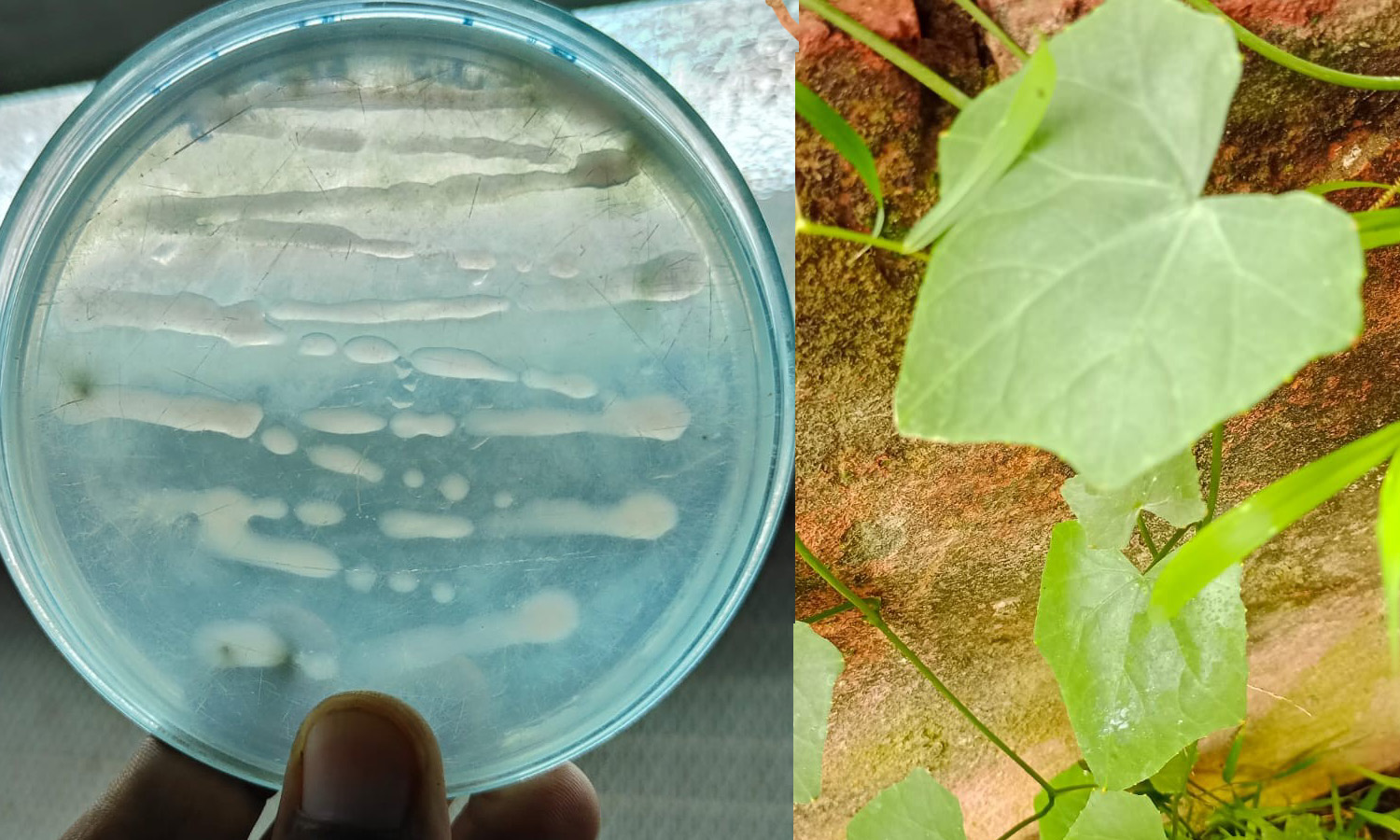
Facilities of Biofertilizer Production Unit of VIB

The Biofertilizer Production Unit of VIB is equipped for the production, quality control and demonstration of different microbial biofertilizers for sustainable agriculture. Major facilities include:

  • Laboratory facility for isolation, purification, characterization and selection of microbial strains to be used as biofertilizer.
  • Facilities for R&D work for technology development.
  • Mother culture and germplasm maintenance facility for maintaining selected beneficial microbial strains.
  • Culture preparation and inoculum development facility for multiplication of microbial cultures under controlled conditions.
  • Sterilization facility, including autoclaving of media, carrier materials and production equipment.
  • Laboratory facility for media preparation, microbial isolation, culture maintenance and microscopic examination.
  • Fermentation/mass multiplication facility for large-scale production of selected biofertilizer organisms.
  • Carrier-based and liquid biofertilizer production facilities, including preparation, mixing and formulation of inoculants.
  • Facility for production of biofertilizers based on Azotobacter, Rhizobium, phosphate-solubilizing bacteria (PSB), potassium-mobilizing bacteria (KMB) and other beneficial microorganisms.
  • Quality-control facility for assessment of viable microbial population (CFU), contamination, pH and other relevant quality parameters.
  • Packaging and storage facility for maintaining the quality and shelf life of finished biofertilizer products.
  • Demonstration and training facility for farmers, students, rural entrepreneurs and extension personnel on biofertilizer production and application.

02

SOIL, WATER AND MANURE TESTING UNIT

Provides essential scientific testing and advisory services for assessing resource quality and guiding need-based nutrient management, thereby promoting soil health, sustainable agriculture and improved farm productivity.

Facilities of Soil, Water and Manure Testing Unit of VIB

The Soil, Water and Manure Testing Unit of Vivekananda Institute of Biotechnology (VIB) provides analytical and advisory services to farmers, rural entrepreneurs, Self-Help Groups (SHGs), Village Resource Persons (VRPs), trainees and project beneficiaries. The unit supports scientific nutrient management, soil health improvement, efficient use of fertilizers and organic manures, and sustainable agricultural production.

The unit is equipped for routine analysis of soil, irrigation water and organic manures, enabling farmers to understand the quality and fertility status of their production resources and to adopt need-based management practices.

Major facilities include:

  • Soil testing facility: Analysis of important soil parameters such as pH, electrical conductivity (EC), organic carbon, available nitrogen, phosphorus and potassium, along with selected micronutrients wherever required.
  • Water testing facility: Assessment of irrigation water quality through parameters such as pH, EC/TDS and other relevant chemical characteristics, helping determine its suitability for agricultural use.
  • Manure and compost testing: Evaluation of vermicompost, farmyard manure, compost and other organic inputs for important quality parameters, including moisture, pH, organic carbon and nutrient content.
  • Basic analytical laboratory infrastructure: Laboratory glassware, analytical balances, pH meters, conductivity meters, sample-processing equipment and other routine laboratory facilities required for systematic testing.
  • Sample collection and preparation: Facilities and procedures for collection, drying, grinding, sieving, labelling and systematic processing of soil and manure samples before analysis.
  • Chemical analysis facilities: Reagents, chemicals and laboratory arrangements for carrying out routine nutrient and physicochemical analyses.
  • Record and reporting system: Maintenance of sample registers, analytical records and test reports, with results communicated in a farmer-friendly manner.
  • Soil-health-based advisory: Test results are used to provide location- and crop-specific recommendations regarding fertilizer application, organic manure use, soil amendment and other soil-management practices.
  • Training and demonstration: The unit serves as a practical training facility for farmers, students, rural youth, SHGs and field-level extension workers, demonstrating basic soil and input-quality testing procedures.
  • Support to VIB programmes: The facility supports VIB's biofertilizer, biopesticide, vermicompost, organic farming, integrated farming and rural livelihood programmes, helping establish scientific linkages between laboratory analysis and field-level agricultural practices.

Overall, the unit functions not merely as a testing laboratory but as a soil-health and resource-management support facility, linking scientific analysis with farmer advisory services, capacity building and sustainable agricultural production in rural and coastal communities.


03

PLANT TISSUE CULTURE UNIT

The unit integrates laboratory-based micropropagation with nursery hardening and field-level distribution, enabling VIB to produce and demonstrate quality planting materials and promote improved horticultural production and rural entrepreneurship.
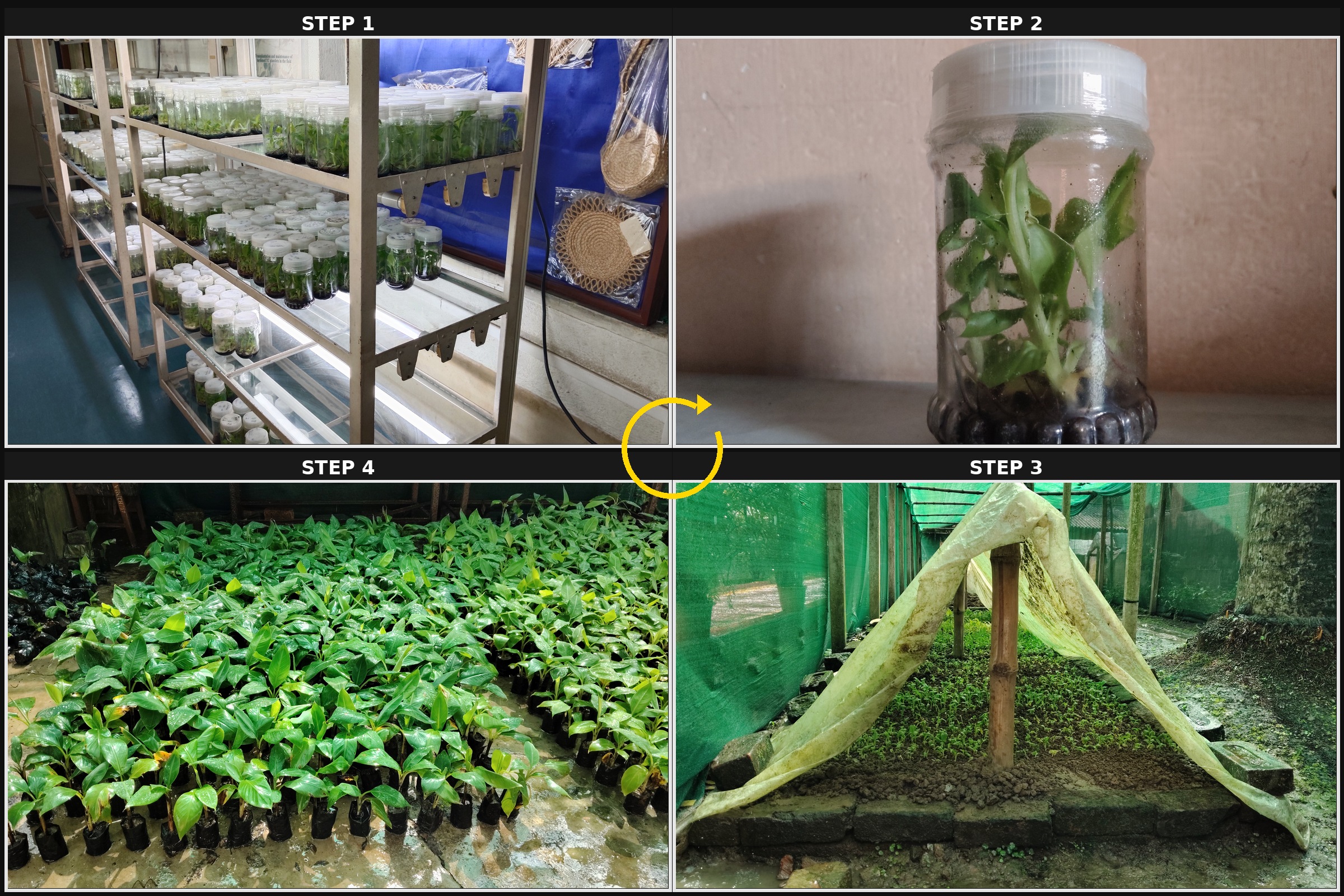
Facilities of Plant Tissue Culture Unit of VIB

The Plant Tissue Culture Unit of Vivekananda Institute of Biotechnology (VIB) is equipped with facilities for the micropropagation, multiplication, hardening and production of quality planting materials. Major facilities include:

  • Mother plant and explant selection facility for maintaining and selecting healthy and superior planting materials.
  • Media preparation room equipped for preparation of nutrient media, plant growth regulators and other culture requirements.
  • Sterilization facility for sterilization of culture media, glassware, instruments and other materials.
  • Aseptic inoculation room with laminar airflow cabinets for contamination-free culture initiation and sub-culturing.
  • Culture room/growth room with controlled conditions for incubation and multiplication of plant cultures.
  •  Primary and secondary hardening facilities for gradual acclimatization of tissue culture plantlets under protected conditions.
  • Nursery and greenhouse/shade-house facilities for further growth, maintenance and preparation of hardened plantlets for distribution.
  • Quality monitoring facilities for regular observation of plantlet health, growth, uniformity and freedom from contamination.
  • Training and demonstration facilities for students, researchers, farmers and entrepreneurs on plant tissue culture and nursery-based plantlet production.


04

MUSHROOM UNIT

VIB’s Mushroom Unit provides integrated facilities for mushroom strain maintenance, substrate preparation, cultivation, harvesting, demonstration and hands-on training, promoting sustainable rural livelihoods and income generation.

Facilities of Mushroom Unit of VIB

The Mushroom Unit of Vivekananda Institute of Biotechnology (VIB), Nimpith is equipped to support the production, demonstration, training and extension of mushroom cultivation technologies suitable for rural households and small entrepreneurs. The unit provides facilities for maintaining mushroom strains, preparation of cultivation substrates, spawn-related activities, crop production and hands-on training.

Key facilities include:

  • Mushroom production rooms/sheds with controlled arrangements for temperature, humidity, ventilation and light as required for different mushroom species.
  • Spawn and culture handling facilities for maintaining and multiplying selected mushroom strains under hygienic conditions.
  • Substrate preparation facilities for chopping, soaking, pasteurisation/sterilisation and conditioning of locally available agricultural residues.
  • Mushroom cultivation racks and hanging systems for efficient utilisation of production space and demonstration of different cultivation methods.
  • Incubation and cropping facilities for maintaining suitable environmental conditions during spawn running, fruiting and harvesting.
  • Hygienic processing and harvesting area for collection, grading and handling of fresh mushrooms.
  • Demonstration facilities for practical training of farmers, SHGs, students, rural youth and aspiring entrepreneurs.
  • Facilities for technology demonstration and troubleshooting, enabling trainees to learn about contamination management, environmental control, pest/disease identification and crop management.
  • Utilisation of locally available agro-residues, promoting low-cost mushroom production and conversion of agricultural waste into a nutritious food and income-generating product.

The unit serves as a demonstration-cum-training facility, linking mushroom biotechnology with rural livelihood development. It enables VIB to transfer practical mushroom cultivation technologies to village-level entrepreneurs and self-help groups while promoting nutritional security, agricultural-waste utilisation and supplementary income generation.

05

LABORATORY WITH MEDIA PREPARATION CUM AUTOCLAVING

Room, one laminar room with 4 LFCs (AC), two culture room

Equipment
Seed Riffle Tyre Divider
Purity Work Board
Bin Trier
Nobble Trier
Weighing balance
Sieve
Desiccators
Grain Drier
Seed Blower

06

BIO PESTICIDE UNIT

Biopesticide Unit provides integrated facilities for microbial biocontrol agent production, formulation, quality testing and field demonstration for sustainable crop protection.

Facilities of Biopesticide Unit of VIB

The Biopesticide Unit of Vivekananda Institute of Biotechnology (VIB), Nimpith has facilities for the isolation, maintenance, multiplication, formulation, quality assessment and field demonstration of beneficial microbial biocontrol agents. The unit is equipped to work with important microbial agents such as Trichoderma, Pseudomonas, Bacillus and other potential biocontrol organisms. Facilities include microbial culture and inoculum preparation, sterilisation, mass multiplication, formulation and packaging, quality control, storage and demonstration facilities. The unit also supports the development and validation of practical biopesticide technologies, including integrated pest-management approaches such as lure-based fruit-fly management. These facilities are used for farmer training, student practicals, technology demonstrations and extension activities, facilitating the transfer of low-cost, environmentally safer crop-protection technologies to rural communities.

07

VERMICOMPOST PRODUCTION UNIT

The unit functions as a production-cum-demonstration and training facility, promoting organic waste recycling, soil-health improvement, sustainable agriculture and vermicomposting as a viable rural livelihood enterprise.
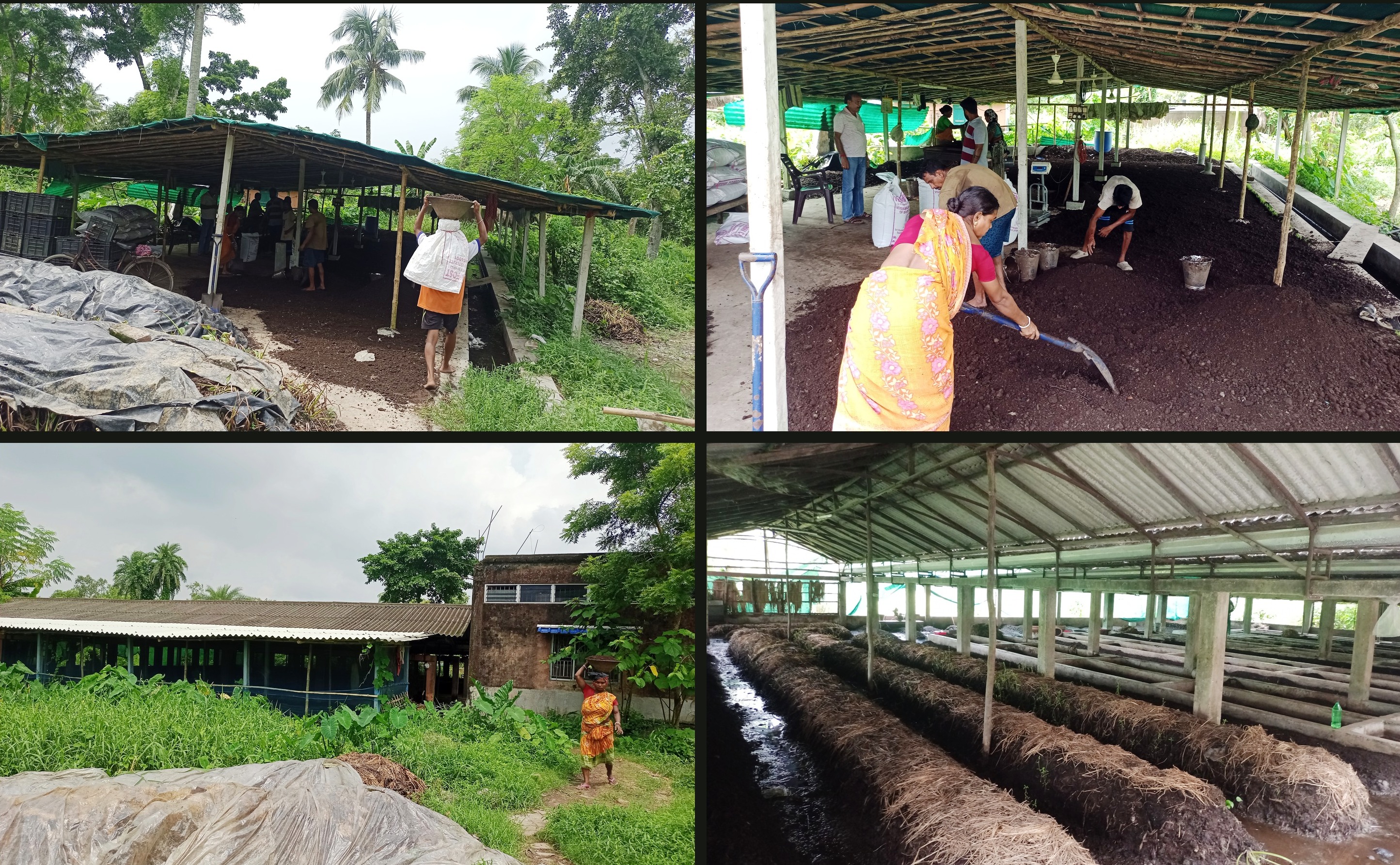
Facilities in Vermicompost Production Unit of VIB

The Vermicompost Production Unit of VIB has facilities for scientific production, demonstration and training in vermicomposting technology. Major facilities include:

  • Vermicompost beds for large-scale production of quality vermicompost ( annual production capacyty= 150 MT)
  • Pre-decomposition area for partial decomposition and preparation of organic materials before feeding to earthworms.
  • Facilities for handling and processing cattle dung, crop residues, biogas slurry and other biodegradable organic wastes.
  • Earthworm multiplication and maintenance facility for species such as Eisenia fetida,  and Perionyx excavatus.
  • Watering and moisture-management facilities for maintaining optimum conditions in vermicompost beds.
  • Shaded/protected production area to safeguard earthworms from excessive heat, rain and direct sunlight.
  • Harvesting, sieving and separation facility for obtaining uniform, mature vermicompost and recovering earthworms for further production.
  • Facility for vermiwash collection and utilization.
  • Storage and packaging facility for finished vermicompost.
  • Demonstration and training facilities for farmers, SHGs, rural entrepreneurs, students and other stakeholders.
  • Provision for quality assessment of vermicompost, including important parameters such as moisture, pH, organic carbon and nutrient status.